
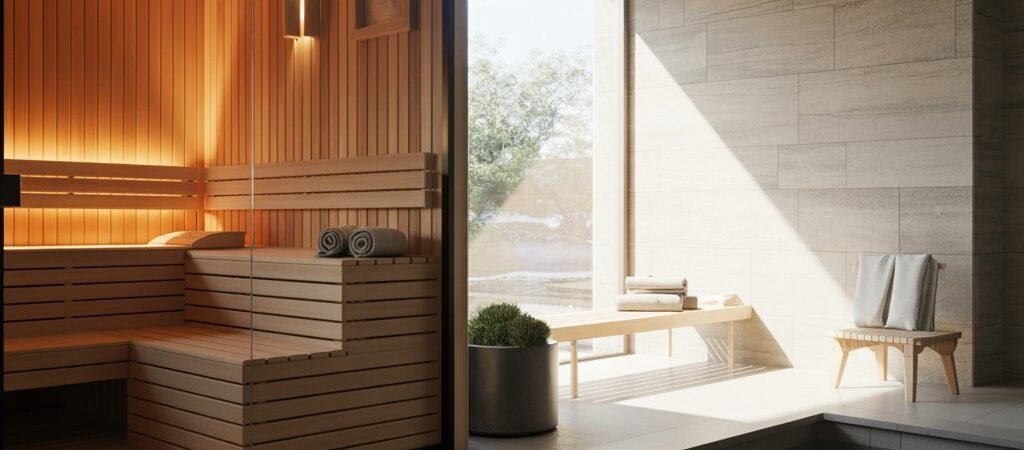
Adding a high-end home sauna and cold plunge is one of the best ways to upgrade your health. Whether you want to boost your energy, recover faster as an athlete, or create a relaxing wellness space at home, using both heat and cold can offer major benefits. However, just using a sauna or cold plunge without a plan won’t give you the full results. You need to use them with intention and the right strategy to get the most out of your investment.
Your investment is important. If you’re spending a lot on a wellness setup, you should have clear, science-based advice instead of mixed opinions from online forums or unclear instructions. This guide gives you straightforward, expert tips to help you use your sauna and cold plunge effectively.
By the end of this guide, you’ll know what steps to take, what to avoid, and how to adjust your routine to get the best health, energy, and performance results.
Sauna & Cold Plunge Protocol Builder
Answer a few quick questions to get a personalized heat + cold routine.
What’s your current experience level?
What’s your primary goal?
Which sauna are you using (or planning)?
How do you feel about the cold?
Your Suggested Protocol
Session Structure
Weekly Target
Pro Tips
Always consult your healthcare provider before starting heat or cold exposure, especially if you have cardiovascular, respiratory, or neurological conditions.
Essential Tips for Using Your Sauna and Cold Plunge
1. Start With the Right Session Structure
Most people get the best results by following a simple three-step routine: heat, cold, and rest. This approach is easy to follow, even if you’re just starting out.
- Heat Exposure: 10–20 minutes in the sauna
- Cold Immersion: 1–3 minutes at 39–50°F
- Recovery: 5–10 minutes resting at room temperature
Repeat this routine two or three times, depending on your health and experience.
This simple format supports:
- Cardiovascular conditioning
- Brown fat activation
- Hormetic stress adaptation
- Muscle recovery
- Mental resilience
Even doing one cycle can help, but being consistent is more important than pushing yourself too hard.
2. Choose the Correct Sauna Style for Your Goals
Traditional and infrared saunas are quite different, and knowing the difference will help you get the most from your sauna and cold plunge setup.
Traditional Sauna (Dry or Steam)
Best for: heat tolerance training, cardiovascular benefits, heavy sweating
Typical Temp: 170–200°F
Traditional saunas heat the air around you, which creates a stronger feeling of heat. Many people like the classic experience and the boost in heat shock proteins (HSPs) that comes with it.
Infrared Sauna
Best for: deep tissue warmth, detoxification, and individuals with lower heat tolerance individuals
Typical Temp: 120–150°F
Infrared saunas warm your body directly, so you can usually stay in longer without feeling as uncomfortable.
If you want to focus on recovery, boosting your metabolism, and relaxing, infrared saunas are a great choice. If your main goal is heart health and building stress resilience, traditional saunas work better.
3. Set Your Cold Plunge to the Correct Temperature
Not all cold plunges are the same. To safely boost adrenaline, dopamine, and your metabolism, you need to use the right temperature range:
- Beginners: 48–55°F
- Intermediate: 45–50°F
- Advanced: 39–44°F
The colder the water, the shorter your session should be. Most experts suggest staying in for less than three minutes unless you have special training and your doctor’s approval.
If your cold plunge has digital controls, which is common in most high-end setups, keep track of your water temperature and how long you stay in to see how your body adapts over time.
4. Hydrate and Prepare Properly
Sauna and cold exposure rapidly deplete hydration and electrolytes.
Before your session:
- Drink 12–20 oz of water.
- Add electrolytes (sodium, potassium, magnesium)
- Avoid alcohol and heavy meals.
After sessions:
- Rehydrate
- Consume minerals
- Stretch lightly
These steps help prevent dizziness, support recovery, and boost your metabolism.

Advanced Strategies for Maximizing Benefits
Once you’ve mastered the basics, you can use these deeper optimization strategies. After you’re comfortable with the basics, try these advanced tips to take your wellness routine to the next level. Between heat and cold—creates alternating vasodilation and vasoconstriction, improving:
- Circulation
- Muscle repair
- Inflammation reduction
- Lymphatic function
A robust, performance-focused protocol:
- 15 minutes sauna
- 2 minutes cold plunge
- Repeat 3 times
- End on cold (athletic goal)
- End on heat (relaxation goal)
Athletes often feel less sore within 24 hours when they use contrast therapy instead of just cold plunges.
2. Optimize Your Breathing Techniques
Controlling your breathing can help you handle heat and cold better and manage your body’s stress response.
During Sauna:
Breathe slowly through your nose, inhaling for four seconds and exhaling for six seconds, to help your body stay calm.
During Cold Plunge:
Try not to gasp. Instead, keep your breathing steady, inhaling and exhaling for three to five seconds each.
This train:
- Stress regulation
- Oxygen efficiency
- Nervous system resilience
- Calm under discomfort
3. Use Saunas to Boost Cardiovascular Fitness
Spending time in the sauna raises your heart rate to about 120 to 150 beats per minute, similar to light exercise. People who use the sauna three or four times a week often see:
- Improved endothelial function
- Lower resting blood pressure
- Increased VO₂ max
- Reduced cardiovascular mortality (per Finnish sauna studies)
For busy people or athletes, using the sauna can be a way to get some of the benefits of cardio exercise without extra effort.
4. Consider Red Light or Aromatherapy Enhancements
Luxury homeowners and designers increasingly pair saunas with:
- Red light therapy panels
- Himalayan salt walls
- Eucalyptus or cedar aromatherapy
- Chromotherapy lighting
These upgrades make your sessions more enjoyable and can help with mood, breathing, and recovery, especially in luxury setups.
Common Pitfalls to Avoid
Even experienced people sometimes make mistakes that reduce benefits or, worse, put their safety at risk.
1. Overheating or Staying Too Long
Many sauna users try to stay in longer than they should, but this isn’t needed. Most people get the full benefits after 15 to 20 minutes.
Stop immediately if you experience:
- Dizziness
- Nausea
- Rapid heartbeat
- Light-headedness
The goal is to build resilience, not to push yourself to the point of discomfort.
2. Using a Cold Plunge That’s Too Cold
Water colder than 37°F usually doesn’t add health benefits and can greatly increase the risk of cold shock.
Stick to the recommended temperature ranges instead of trying to push your limits.
3. Ignoring Installation Requirements
One of the most significant pain points for buyers of high-end home saunas & cold plunges is the lack of proper installation planning. Your setup must account for:
- Electrical load
- Drainage
- Ventilation
- Flooring
- Moisture control
- Structural support
If you skip this planning, your equipment may not last as long and you could face safety issues.
Before purchasing, always consult with:
- A licensed electrician
- A contractor familiar with wellness installations
- HVAC/moisture specialists (for indoor saunas)
4. Using Improper Post-Session Recovery
Some users go straight from cold plunge to intense exercise, caffeine, or stressful meetings.
This can be harmful.
Your body needs 10 to 15 minutes to recover after a session. Take time to sit, breathe, drink water, and let your heart rate return to normal.
Expert Advice From Wellness Professionals
To help you integrate heat and cold therapy more effectively, here’s guidance distilled from sauna researchers, sports medicine doctors, and performance coaches.
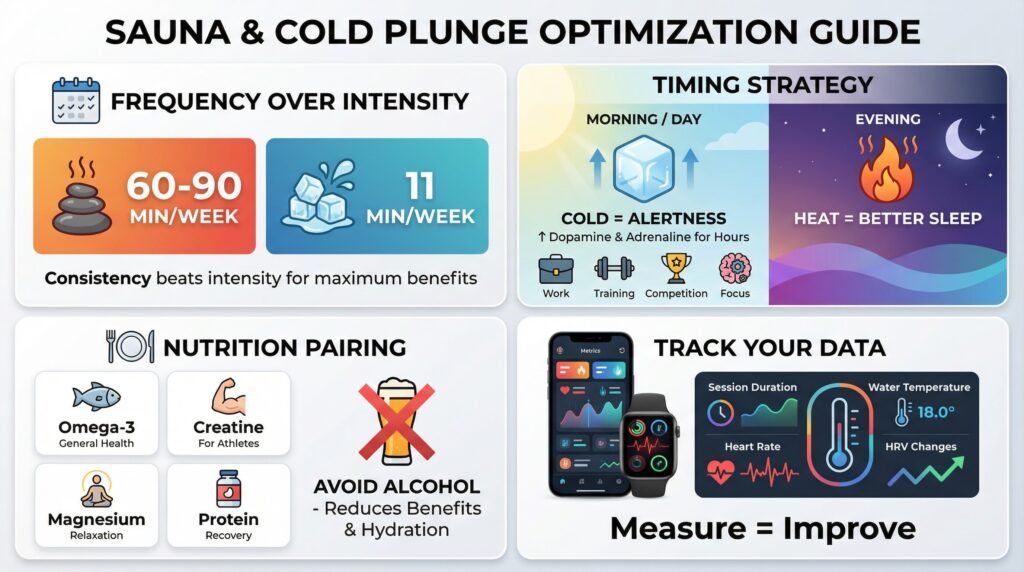
1. Frequency Matters More Than Intensity
You don’t need to push yourself to the limit. What matters most is using your sauna and cold plunge regularly. Minimums:
- Sauna: 60–90 minutes total
- Cold Plunge: 11 minutes total (per Huberman Lab guidelines)
Meeting these targets provides most of the health and performance benefits. Cold if Your Goal Is Alertness
Cold plunges raise your dopamine and adrenaline levels for hours, helping you think more clearly and stay focused.
Use this when preparing for:
- Work
- Training
- Competitions
- High-focus tasks
On the other hand, finishing with heat in the evening can help you sleep better.
3. Pair Nutrition Wisely
Sauna + cold is amplified by:
- Omega-3 fatty acids
- Creatine for performance athletes
- Magnesium for relaxation
- Protein for recovery
Avoid drinking alcohol after your session, as it can reduce the benefits and make it harder for your body to stay hydrated.
4. Track Your Data (Especially With High-End Equipment)
Most high-end home saunas & cold plunges offer digital controls, timers, and app integrations.
Track:
- Session duration
- Heart rate
- Water temperature
- HRV changes
- Tracking your data turns your wellness routine into something you can measure and improve over time. Optimized routine.
Conclusion
Having a high-end home sauna and cold plunge is more than just a luxury. It can help your heart, speed up recovery, boost your metabolism, and build mental strength. To get the most out of these benefits, you need to use them with purpose.
By planning your sessions well, avoiding common mistakes, and trying advanced tips as you go, you’ll see the results you want from your investment. Whether you’re creating a relaxing space at home or working to improve your athletic performance, heat and cold therapy can help you reach your health goals.